Hello friends!
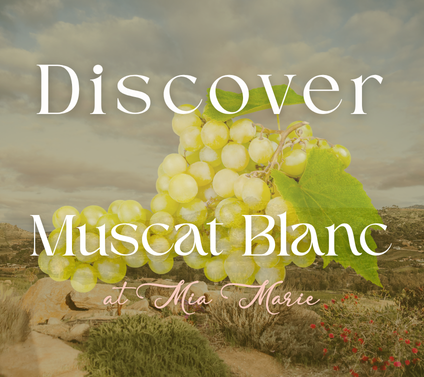
Kelly here from the cellar, and I’m excited to share a little knowledge about one of my favorite grape varietals: Muscat. Whether you’re already a fan or trying it for the first time, I hope you’ll enjoy learning a little more about this incredibly unique and historic grape.
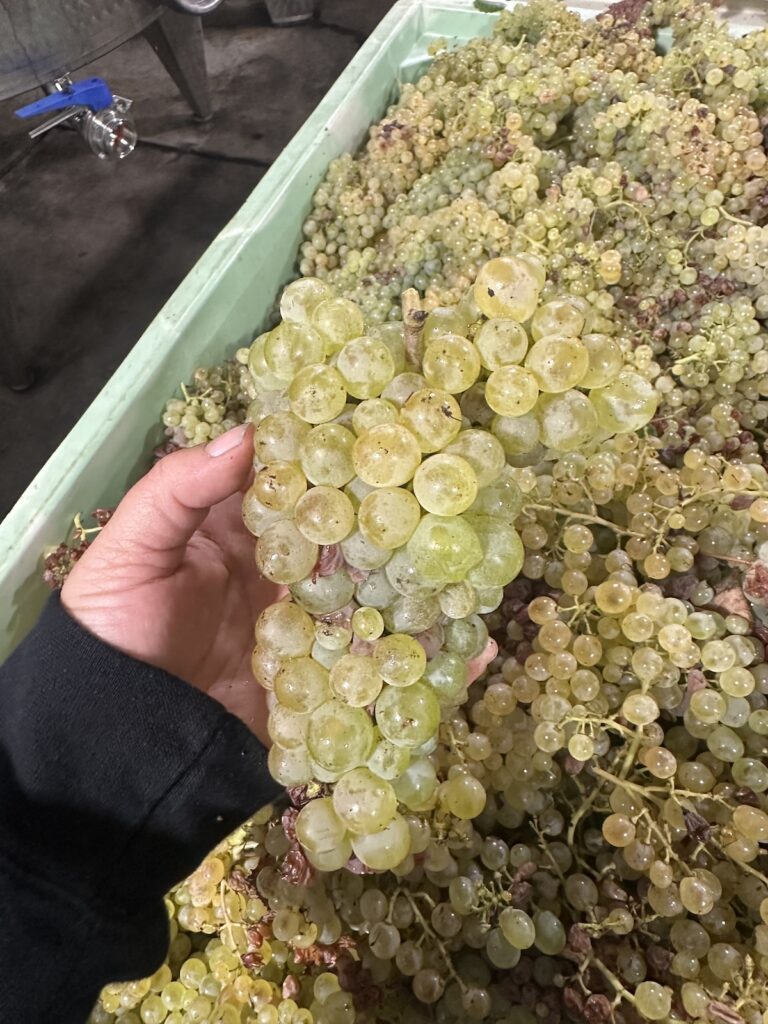
If you’ve ever walked into a tasting room, taken a sip of wine, and immediately thought, “Wow, that smells amazing,” there’s a good chance Muscat was involved. Muscat is one of the oldest grape varieties in the world, with a history that stretches back thousands of years. It’s grown all over the globe, but what makes it stand out is that it actually tastes and smells a lot like fresh grapes straight off the vine. It’s one of those varieties that tends to leave a lasting impression.
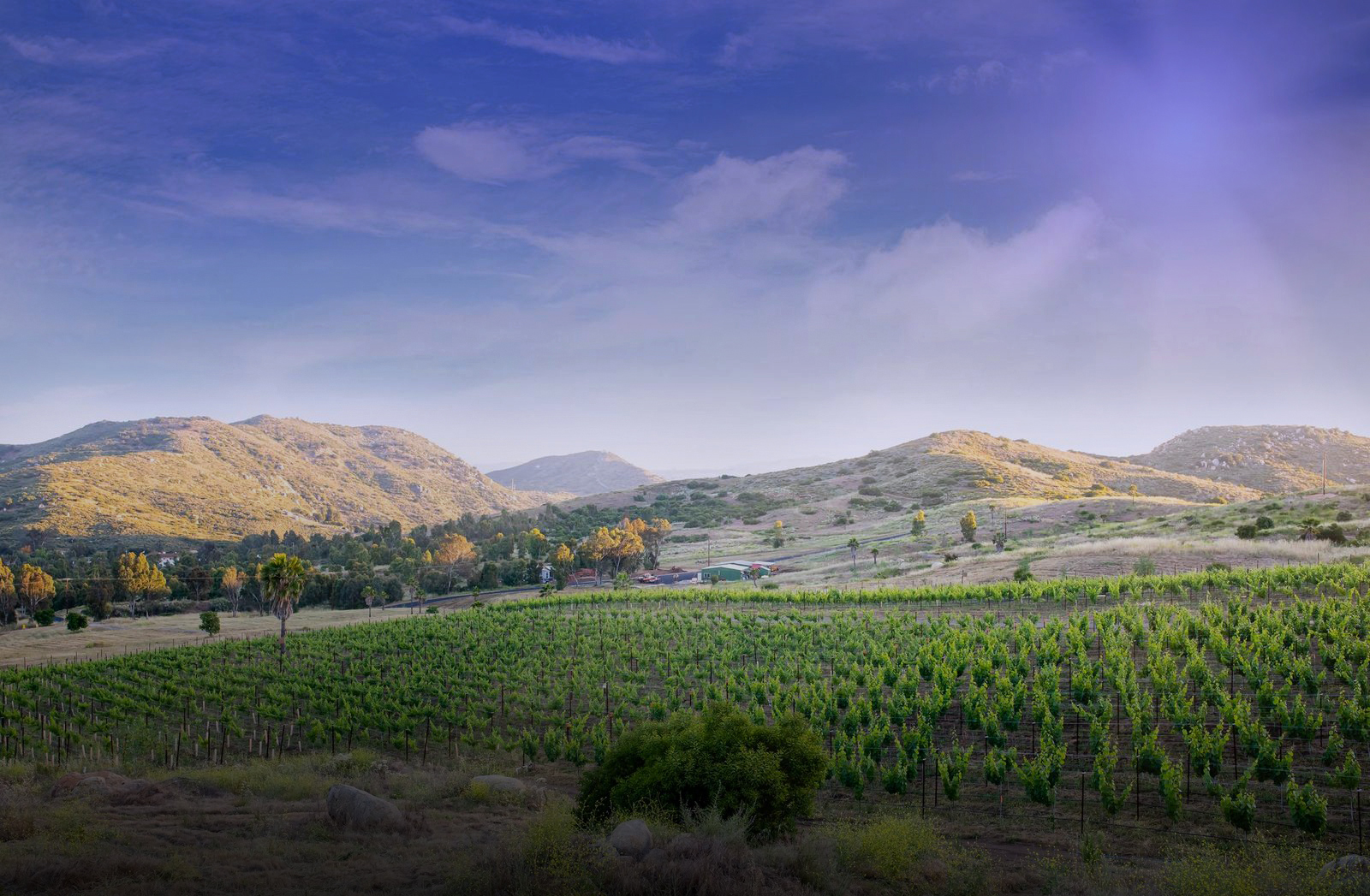
Here in California, Muscat has an especially interesting story. Some of the earliest Muscat vines arrived with Spanish missionaries in the late 1700s and early 1800s as they established vineyards throughout the state. In fact, San Diego County played an important role in California’s wine history. The first vineyards planted by the Spanish missions included Muscat-related varieties, making grapes like Muscat part of the foundation of California winemaking. Long before Napa became famous, grapes were being grown and wine was being produced right here in Southern California.
One of the reasons Muscat has remained popular for so long is because it doesn’t try to hide what it is. The aromas practically jump out of the glass. You’ll often find notes of orange blossom, honeysuckle, jasmine, peach, apricot, and citrus. Even people who don’t consider themselves “wine people” can usually pick up on these aromas right away. It’s an incredibly approachable wine because the flavors are so expressive and easy to recognize.
Another thing that makes Muscat interesting is how versatile it is. Depending on how it’s made, Muscat can be dry, sweet, sparkling, or somewhere in between. That versatility has helped it stay relevant for centuries and allows winemakers to get creative with the style they want to produce. Whether you’re enjoying a refreshing glass on a warm afternoon or pairing it with dessert, there’s probably a Muscat for the occasion.
As someone who works around wine every day, I always appreciate varieties that tell their story so clearly. Muscat doesn’t need a lot of explanation once it’s in your glass. The floral aromas, bright fruit flavors, and unmistakable personality do most of the talking. And knowing that varieties like Muscat helped shape the early history of winemaking in San Diego makes every glass a little more meaningful. If you’ve never tried a Muscat before, I highly recommend giving it a chance. It might just become your new favorite wine.
Cheers,
Kelly