What Does 'Reserve' Really Mean?
How Wine Regulations Effect Winemaking Decisions
Hi all, it’s Kiara!
Today I am going to jump a bit into wine regulations and labeling. I know they say not to judge a wine by its label, but let’s be real… we trust wine labels to tell us what we are purchasing. In some parts of the world, certain terms like “Reserve” or “Estate” are heavily regulated, but in others they are not. While some terms have strict definitions, others have little to no legal meaning. I want to help you feel confident in your decisions, or at a minimum, give you confidence in how we make decisions here at Mia Marie.
In California, some labeling terms are deeply, legally regulated. The most strictly regulated description is that if you want to have “California” on your label, 100% of those grapes must be grown in California. To label something as a specific vintage, 95% of the grapes in that wine must be from the year you are putting on the label. When making a wine with grapes harvested in several different years, you can label it as “Non-Vintage.” The same percentage (95%) stands for if you are labeling a wine with a single vineyard designation. To use the AVA (American Viticultural Area), i.e., San Pasqual Valley or San Luis Rey, the grapes must be 85% from that AVA. If you are making a single varietal wine (non-blend), the wine must be made from 75% of that single grape varietal. The next regulations involve alcohol percentage. Believe it or not, there is a bit of wiggle room here; if the wine is below 14%, you have to label within 1.5% accuracy, but if the wine is above 14%, you have to label within 1% accuracy. The rest of the regulations we follow are about wording we must include on our labels, and all labels must be approved by the TTB before wineries are allowed to sell their bottles.
Now, let’s jump into less regulated wine terms. A term you see often, especially in California, is “Old Vine.” There is currently no federal definition of what age a vine becomes old; one winery may consider it 30 years or over, or another might be fine using that after 20 years. Some terms are just marketing terms, in my opinion at least, like “Proprietor’s Blend” or “Cellar Selection,” but they could mean something to specific wineries. Arguably the most widely used term, “Reserve,” has no universal legal definition for winemaking in the U.S. Each winery you go to likely has different means by which they decide to classify a wine as a “Reserve” wine; we can only assume that it is a higher level. In Old World (European) wines, the title comes with strict regulations depending on region. For instance, in Rioja, Spain, Reserva wines require three years of aging, one of which must be in oak barrels. If they jump up a level to Gran Reserva, those wines require five years of aging, three of which must be in oak barrels. Many regions in Europe have strict aging regulations that pertain to their labeling.
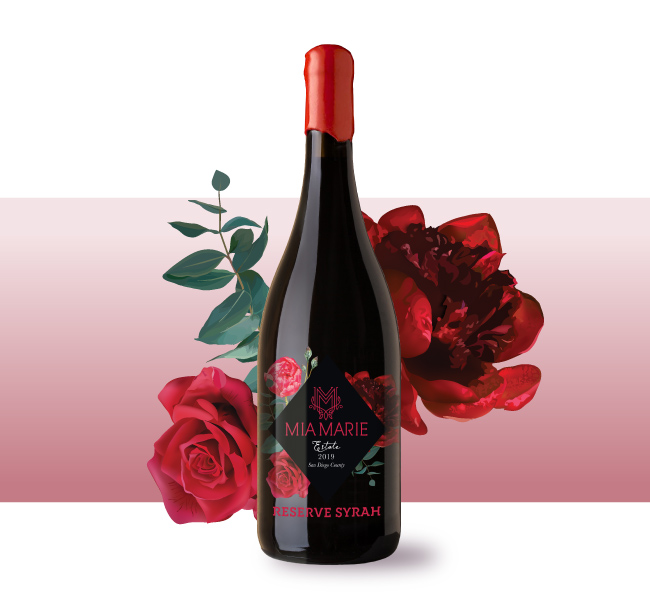
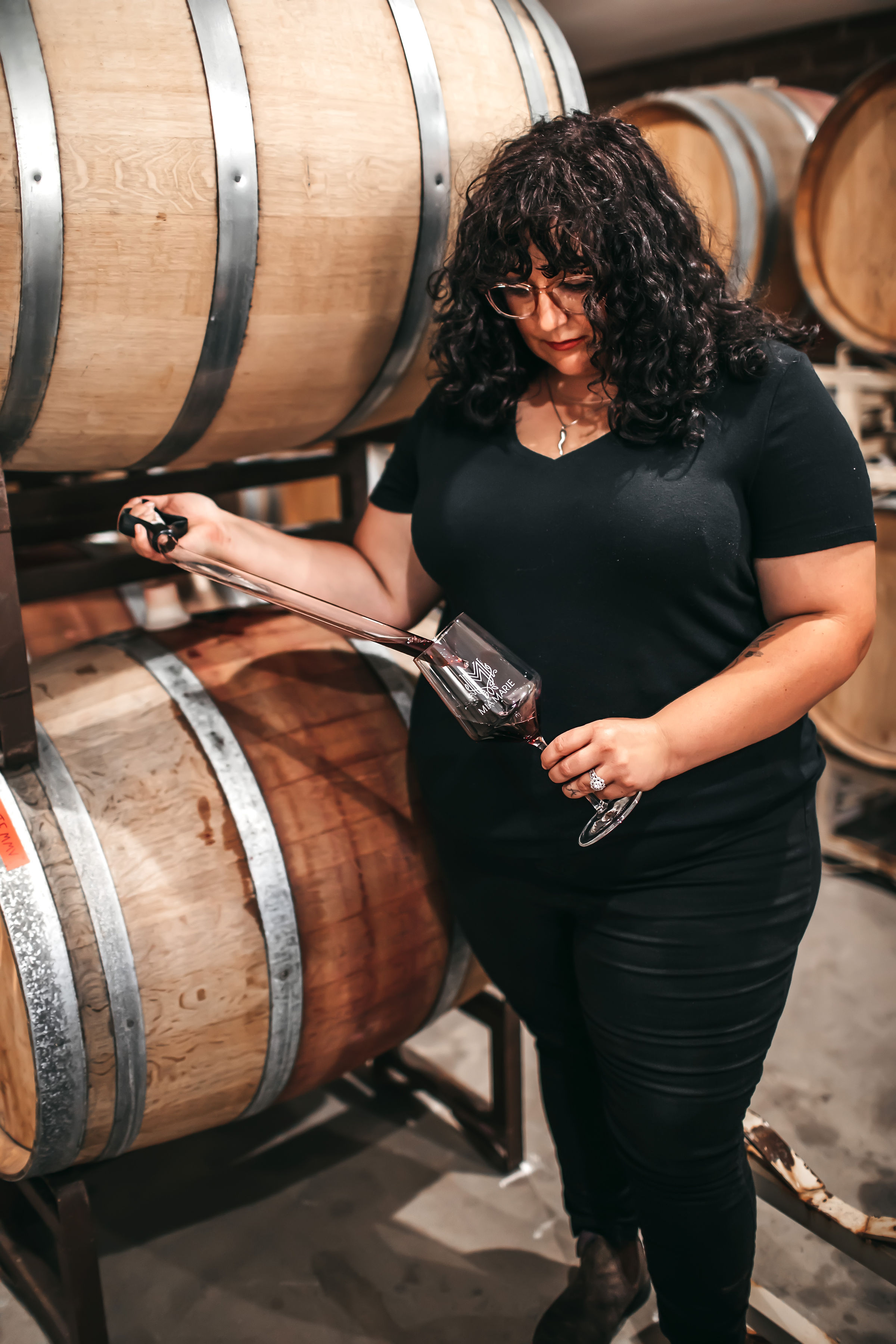
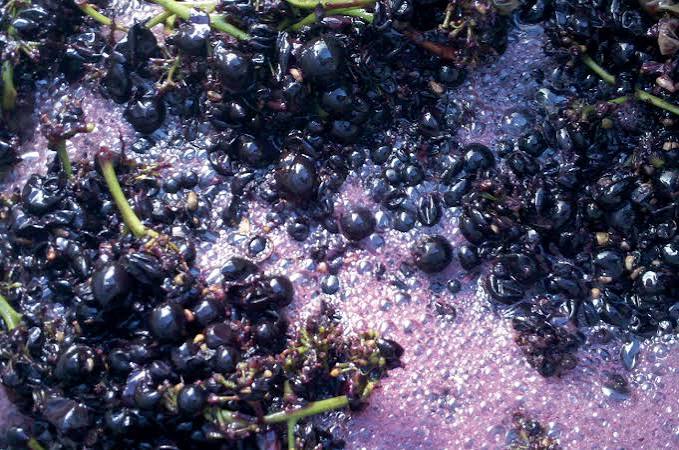
So, what does “Reserve” mean at Mia Marie Vineyards? Let me assure you, it certainly is not a marketing term, and it is not a term I dole out lightly. I have a strong belief that winemaking starts in the vineyard; you cannot make great wine without great grapes. Some vintages I have a certain block I just know is going to be stunning and will mentally mark it as potential reserve, but everything must still go right. Every decision matters. Pick date/time must ensure perfect sugar and acid balance. Whole berry fermentation will highlight fruit flavors more, whereas more maceration gets me more tannin. Yeast choice will allow certain flavors to shine and fermentation to go smoothly. Will the fermentation get punchdowns or pumpovers, and how many times a day? How long will I allow the skins to be in contact with the wine once fermentation is done? And these are just some of the fermentation-related choices! From there the choices involve new oak vs used, American vs French, length of time in oak, etc. Each time I taste each barrel, I am evaluating the quality of the wine, and at any point the wine could gain or lose the “Reserve” title. Before bottling, every single varietal wine undergoes a blending trial with all barrels we have of each lot to ensure we have the best product ending up in our tasting room. Sometimes that leaves us with a couple barrels staying behind to age longer for Reserve, but other times the whole lot tastes best together. We will always prioritize quality, so we will always make the decision that puts the best finished product in front of our guests.
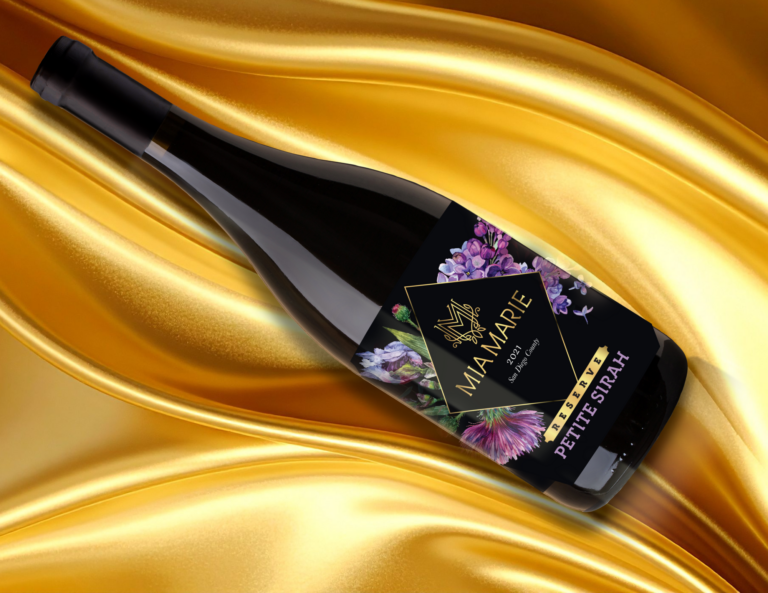
Some of our wines do get labeled in a specific way, and yes, that is intentional. Our 2021 Tempranillo Reserva was labeled this way because I did follow the laws of Rioja. We may not be there, but I love Tempranillo, and I love crafting New World wines using Old World tradition. That wine spent three years in barrel, giving it the potential to become “Gran Reserva,” though we don’t have that designation here in California. We are releasing our first wine with a vineyard designation on its label soon. Our 2023 Sangiovese has its vineyard called out, Pacciello Vineyard, because it is the first vineyard in Southern California to plant the Brunello Clone, and we are proud of our long-time relationship with our local grower. Sometimes we do call out specific fermentation styles, such as Carbonic Maceration or Pét-Nat. If you want to learn more about those, I do have blog posts written about them for a deeper dive. The other differentiation you might see in our labeling is that our blends have non-varietal names; this is just to further have them stand out from our single varietal wines. Each of those names does actually represent something about the blend or us. Mia Tesoro is our Super Tuscan-inspired blend; it means my treasure or my darling in Italian. Mon Tresor is our Bordeaux-inspired blend, and it means my treasure in French. Redmond Ranch is our proprietary red blend and is an ode to the cattle ranch Mr. Mia (John) grew up on. CoBeck is our proprietary white blend and is a combination of the names of Mia’s children. Lastly, Côtes de Coral is our French-inspired white blend and is named after Mia’s daughter and also means coral coast, a reference to the beautiful sunsets you can see from our tasting pavilion.
As you can see, labeling can be fun, but it can also have very deep meaning, depending on where you are. I think it adds such value to get to know the wineries you support. In my experience, smaller wineries have the opportunity to connect more with their guests, and to be more transparent about their wines. All in all, I do think regulations help maintain certain standards and hold wineries accountable. I hope I have helped you understand what you are looking for and to make informed decisions when choosing your next wine. Here at Mia Marie, we are proud to be making craft wine from San Diego, for San Diego. I hope that is reflected in every bottle, whether it is labeled “Reserve” or not.
As always, if you have more questions for me, I do invite you to join me on one of our lovely Estate Tours. This is the best way to be part of the process 🙂 Cheers!